
Vanishing Anchors: In Conversation with Xuemeng Li
Memory, Nature, and Boundaries
Editor’s Note
This interview is based on a live conversation. The text has been lightly edited for clarity, while preserving the speaker’s original tone and meaning.
On June 10, 2026, ArtEchive held a conversation with artist Xuemeng Li surrounding memory, fragments, disappearance, and the ways in which personal experiences gradually unfold through artistic practice.
The discussion explores how fleeting encounters, emotions, and seemingly insignificant moments become anchor points that continue to resurface over time. Moving through topics such as memory, imagination, ambiguity, impermanence, and the unconscious, the conversation reflects on how artistic practice offers another way of approaching experiences that resist clear explanation and language.
Rather than treating images as fixed records of reality, the interview approaches art-making as an ongoing process of returning, reinterpreting, and living alongside uncertainty. Throughout the conversation, creative practice emerges not as a means of preserving things unchanged, but as a way of remaining attentive to disappearance, transformation, and the subtle connections that continue to draw us toward questions of water, nature, disaster, and boundaries.
interviewee
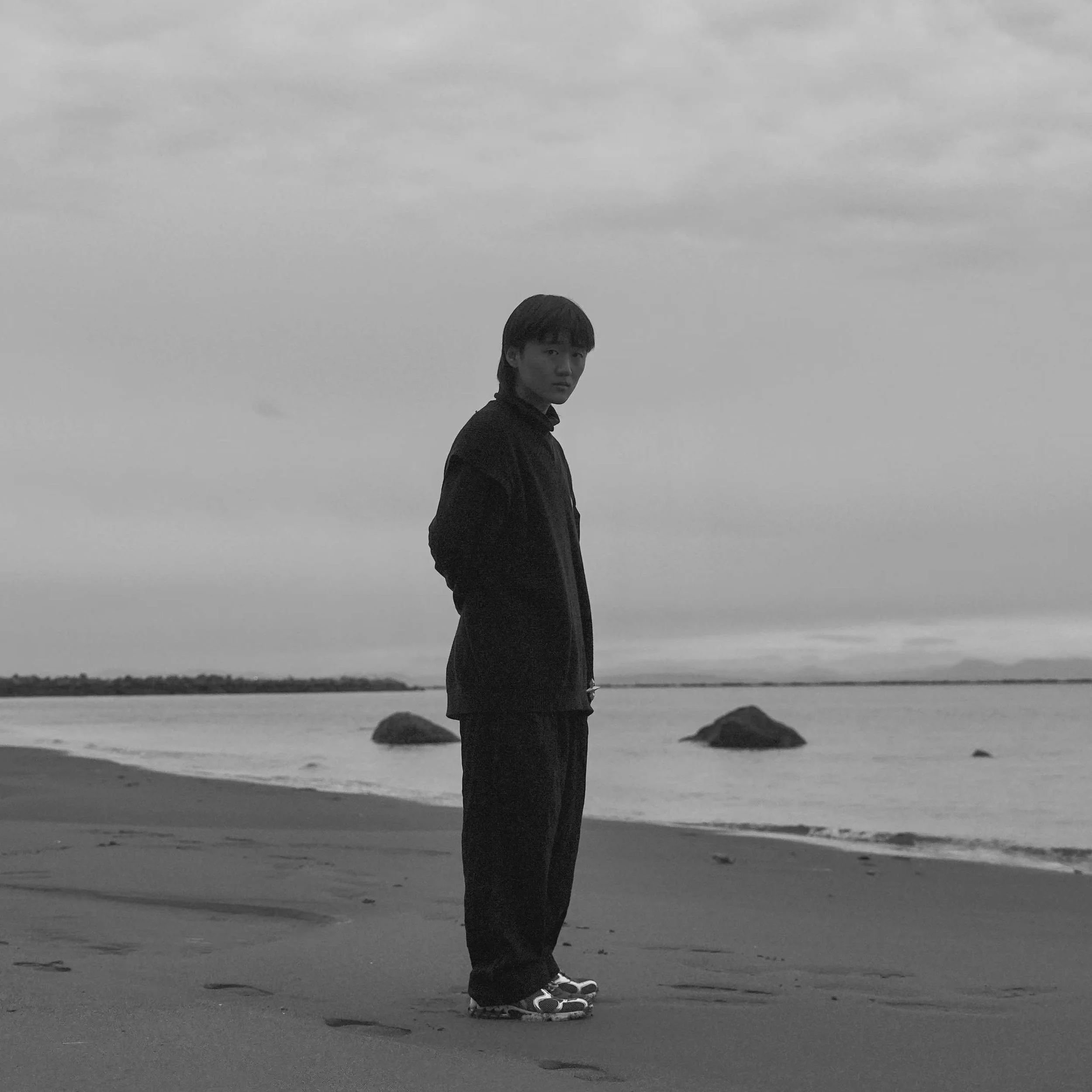
Xuemeng Li (b. 2000, China) works across photography, video installation, and sound. His practice takes shape through the act of looking, exploring relationships between humans and water, nature and self. His work moves between inner experience and lived reality, engaging themes such as the act of recollection and environmental change. Through experimental image-making, Li translates wordless awareness into tangible visual experiences.
Xuemeng Li
Toward Water, Nature, and Boundaries
ArtEchive
If your work ultimately extends beyond photography itself, what are the questions that you find yourself continually returning to?
Xuemeng LI
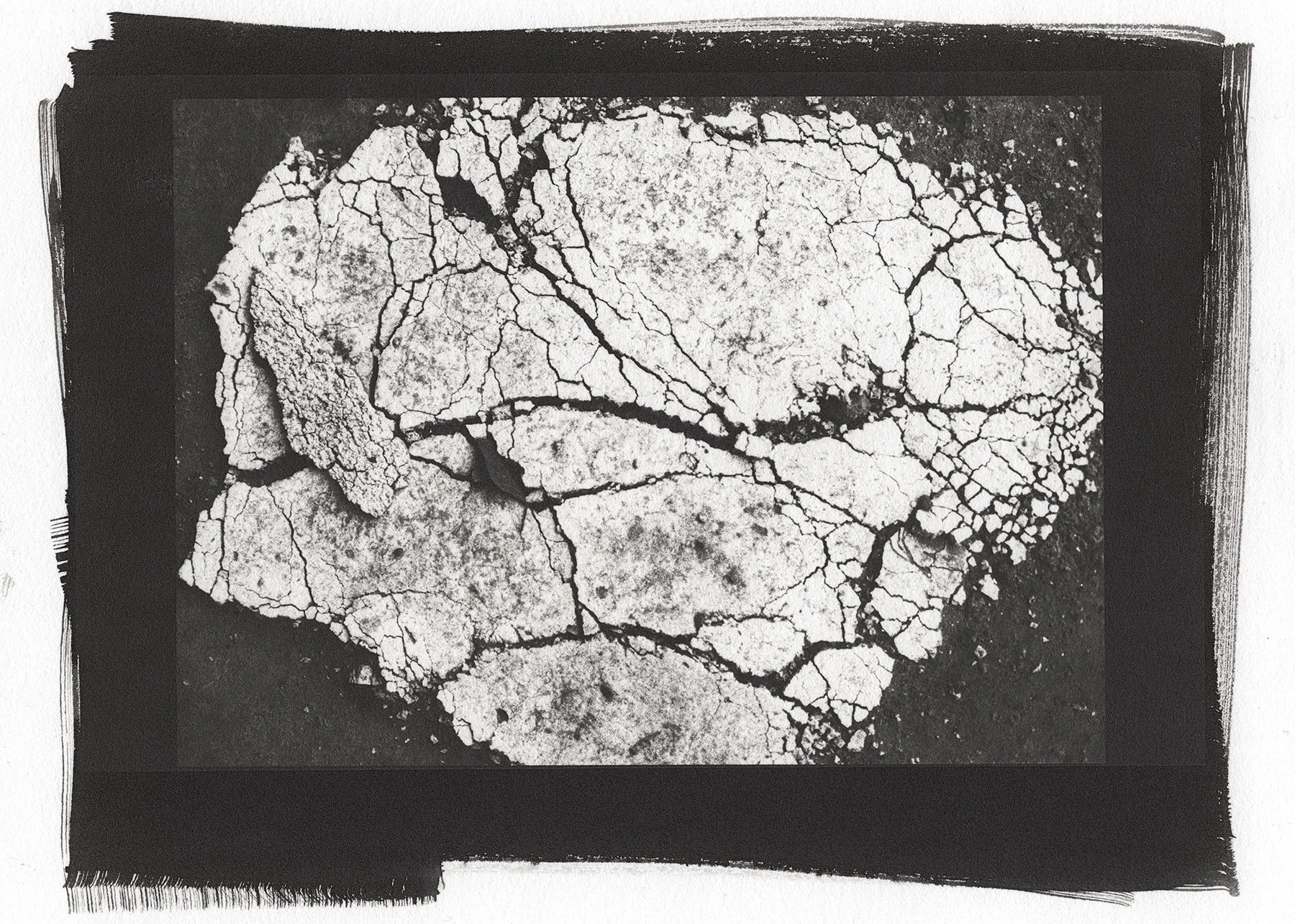
Water, nature, disasters, boundaries… these seem to be the things that I have continually returned to over the years.
Anchors of Memory
ArtEchive
Your work often begins with fragments—a photograph, a memory, an encounter, or a seemingly insignificant moment. What kinds of fragments do you feel compelled to preserve, and how do you know whether they might eventually develop into a work?
Xuemeng LI
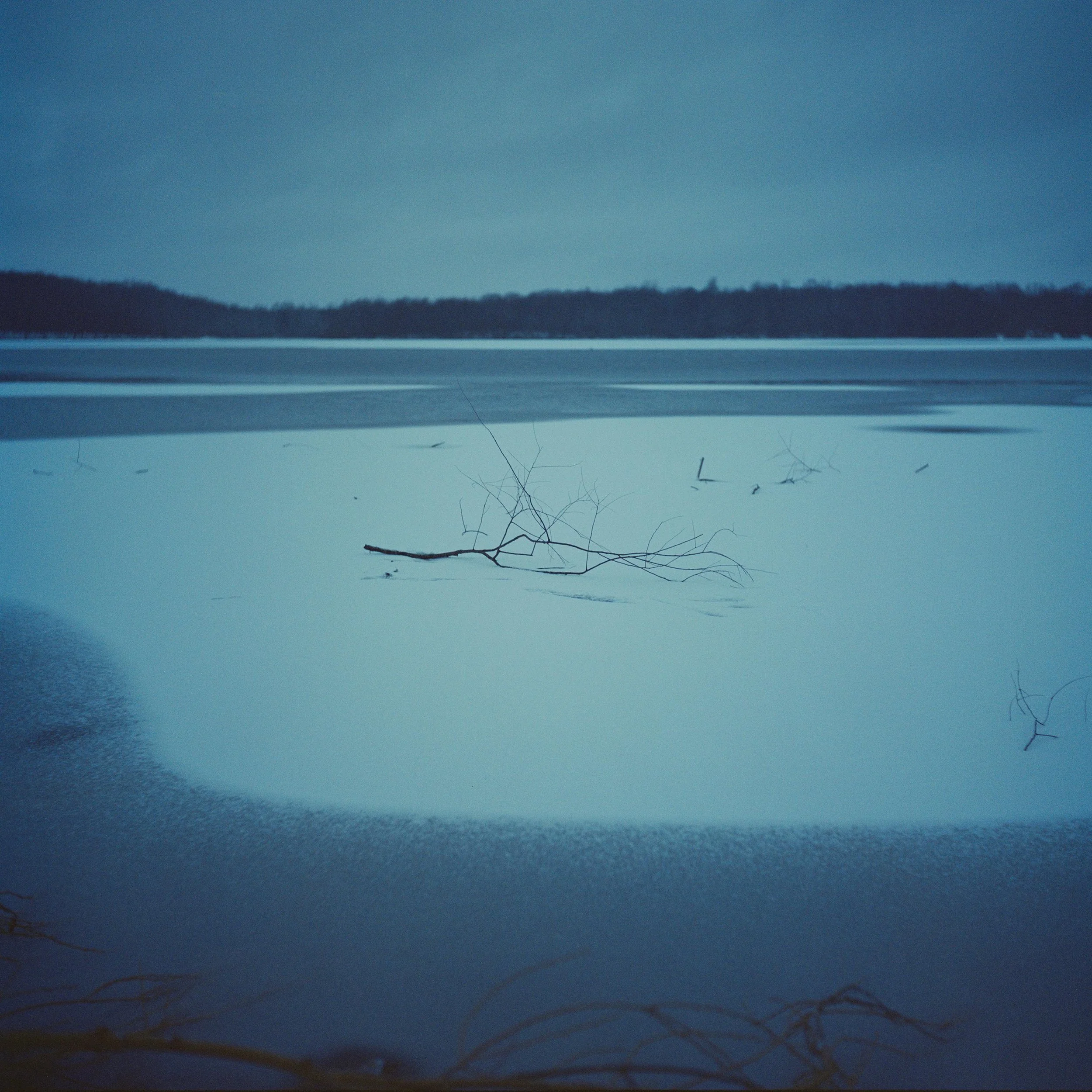
Over the years, I have rarely tried to directly “document” a particular moment or fragment in a fixed way. More often, I preserve the raw materials and emotions of a moment through my phone, through writing, or sometimes simply through memory itself. For me, this process is like creating an anchor point for a specific experience—something that prevents it from disappearing too quickly and allows me to return to it later, to gradually understand why it affected me so strongly.
A work often emerges through the repeated appearance of these similar anchor points. At first, they may seem like isolated experiences, but over time they begin to reveal certain shared threads. I gradually realize that what truly attracts me may not be the events themselves, but something they point toward. By repeatedly revisiting and understanding these traces, I become more aware of what continues to draw me in and how I might move closer to it and understand it more deeply. Through this process, whether a work will take shape—and how it might eventually unfold—also becomes clearer.
ArtEchive
Your work often moves between documentation and imagination. For you, what is the relationship between events that actually happened and the memories that are later remembered, reconstructed, or emotionally transformed?
Xuemeng LI
I do not think there is a very clear distinction between the two. Things that actually happened are simply our understanding of an event while it is happening, or immediately after it has occurred. Memory, meanwhile, is our renewed understanding of that same event from a later point in time. Both are partial and inherently imperfect; neither represents an absolutely objective state.
During the experience itself, the information we receive is already subject to selection. Part of it enters the realm of consciousness, where it is actively perceived, interpreted, and processed. Much more, however, remains unnoticed and becomes material stored in the unconscious, continuing to influence us in other ways. In this sense, perhaps the difference between lived experience and memory lies only in the degree of conscious involvement. The former is shaped more directly by conscious organization, while the latter incorporates unconscious experiences, emotions, and the continual process of reconstruction that occurs afterward.
For me, memory is not a deviation from reality, but another way of understanding reality.
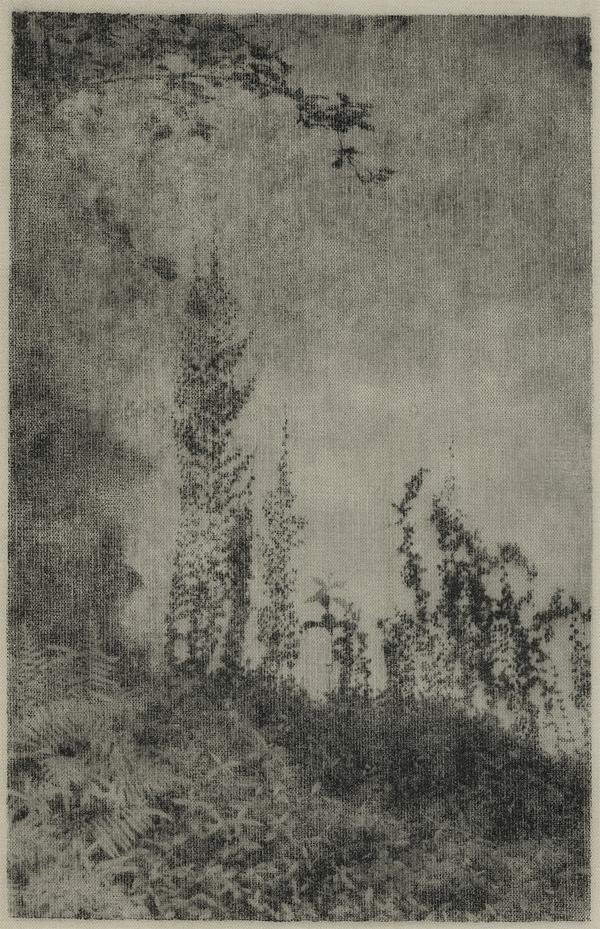
Xuemeng Li, Reimagined Landscape (2024-Present).
What Cannot Be Fully Named
ArtEchive
Photography is often understood as a medium for preserving the past, yet your work frequently retains ambiguity, distance, and a sense of incompletion. Why are you drawn to things that cannot be fully confirmed or explained?
Xuemeng LI
It is precisely because something cannot be fully understood that I feel compelled to understand it as much as possible. Over time, I have realized that what attracts me most—in both life and the works I love—is often what language cannot fully reach. Once something can be completely articulated through clear language, it seems to lose the necessity of being explored through artistic practice.
I think what I am trying to do is to find different “languages” for speaking about different kinds of things. The ambiguity and distance that often appear in my work are shared qualities of that language. They also leave room for others to form their own understandings and imaginations.
ArtEchive
While many artists speak about memory in terms of preservation, your work also seems to engage with forgetting, disappearance, and transformation. What does “disappearance” mean in your practice?
Xuemeng LI
Just as fallen leaves in autumn make us more aware of the existence of leaves themselves, it is often through the disappearance of something that we begin to recognize its significance.
The impermanence of things gives rise to our desire to preserve them. But in reality, it is impossible to keep leaves permanently attached to the branches. Through their falling, we are able to see the tree itself again—to recognize how the leaves once existed as part of the tree, and even to become aware of the idea of “spring.”
We notice the presence of something through the absence of something.