Losing Ghost
January 28 - January 31, 2026
Detour Gallery
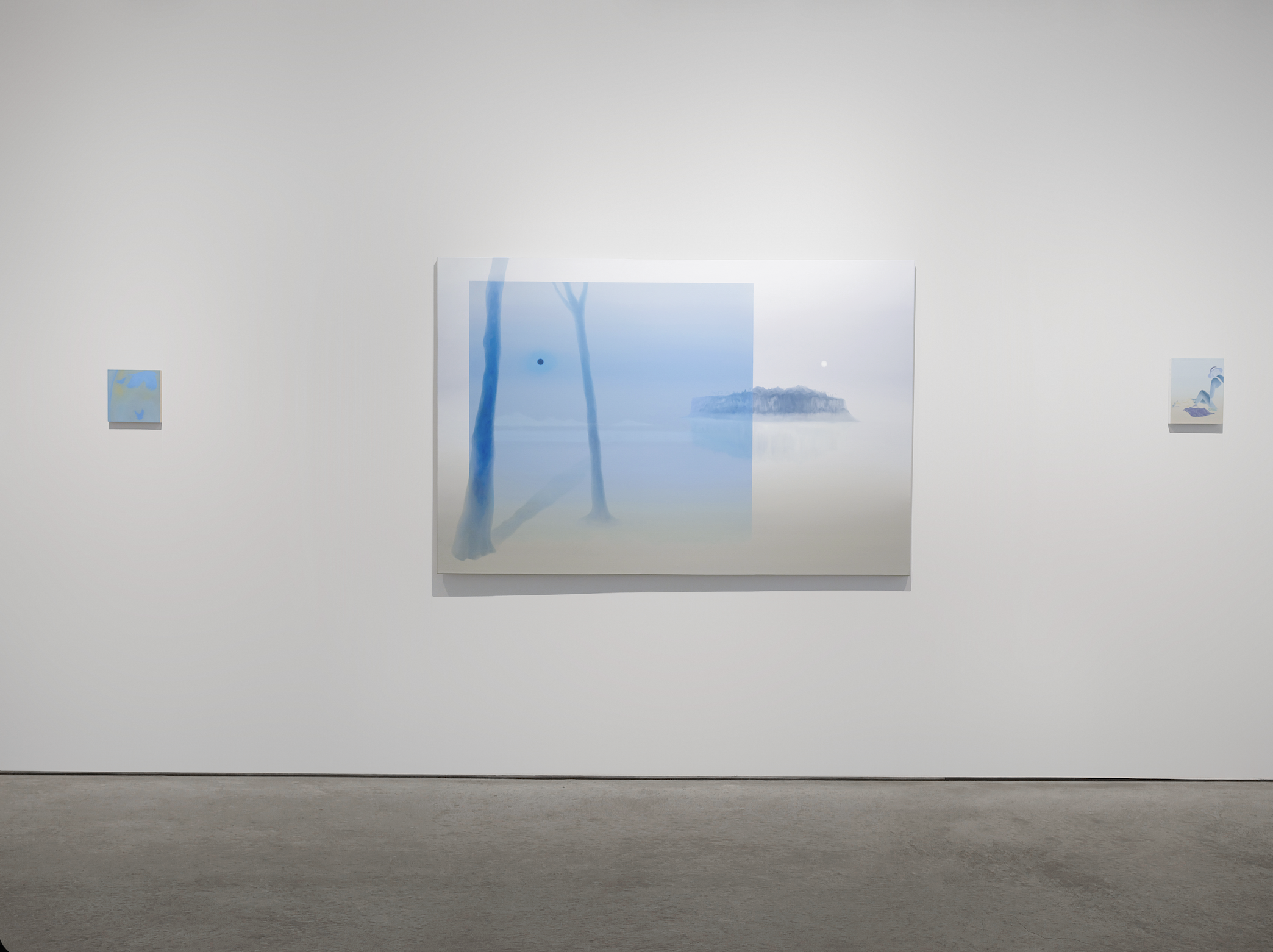
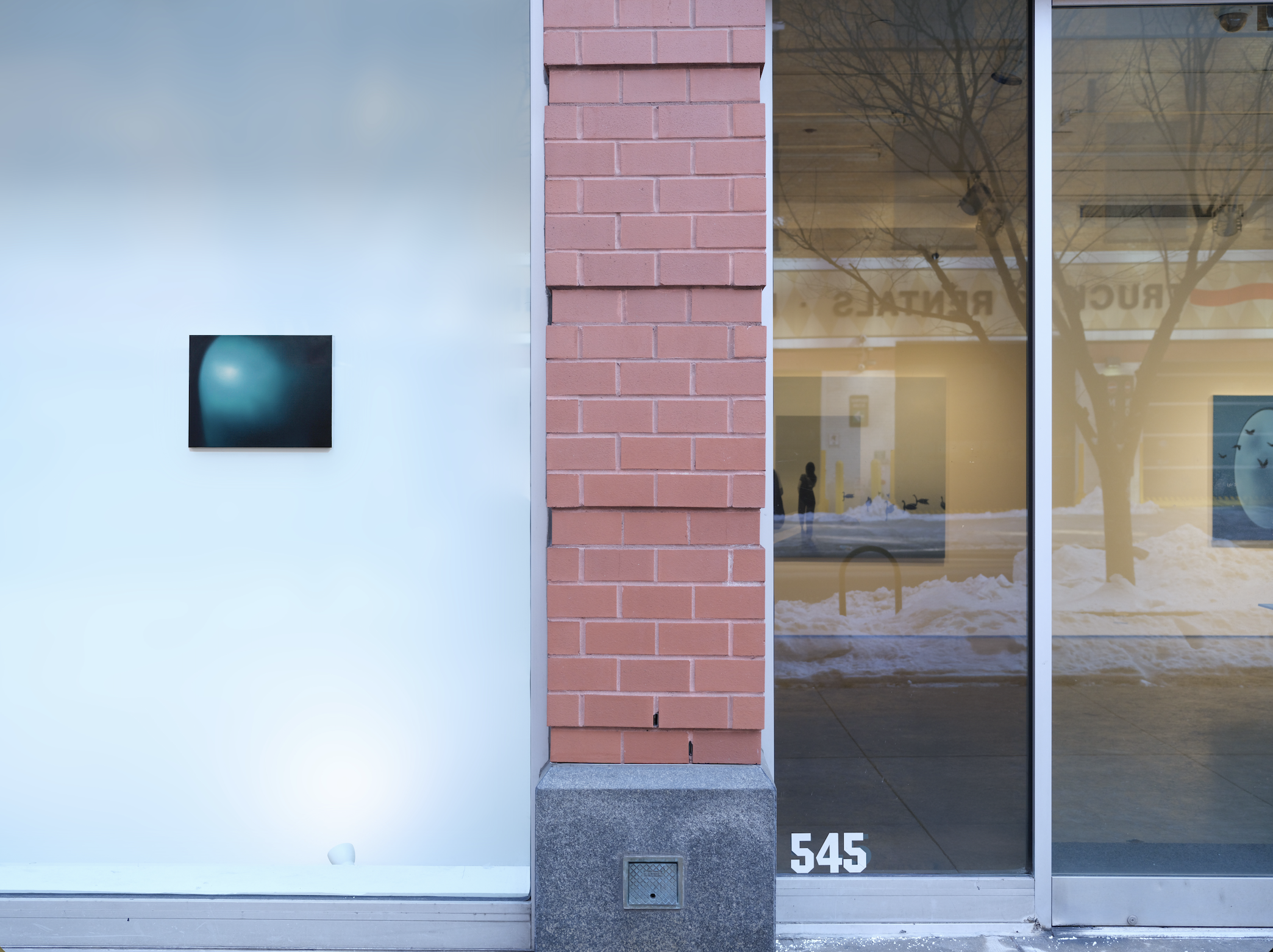
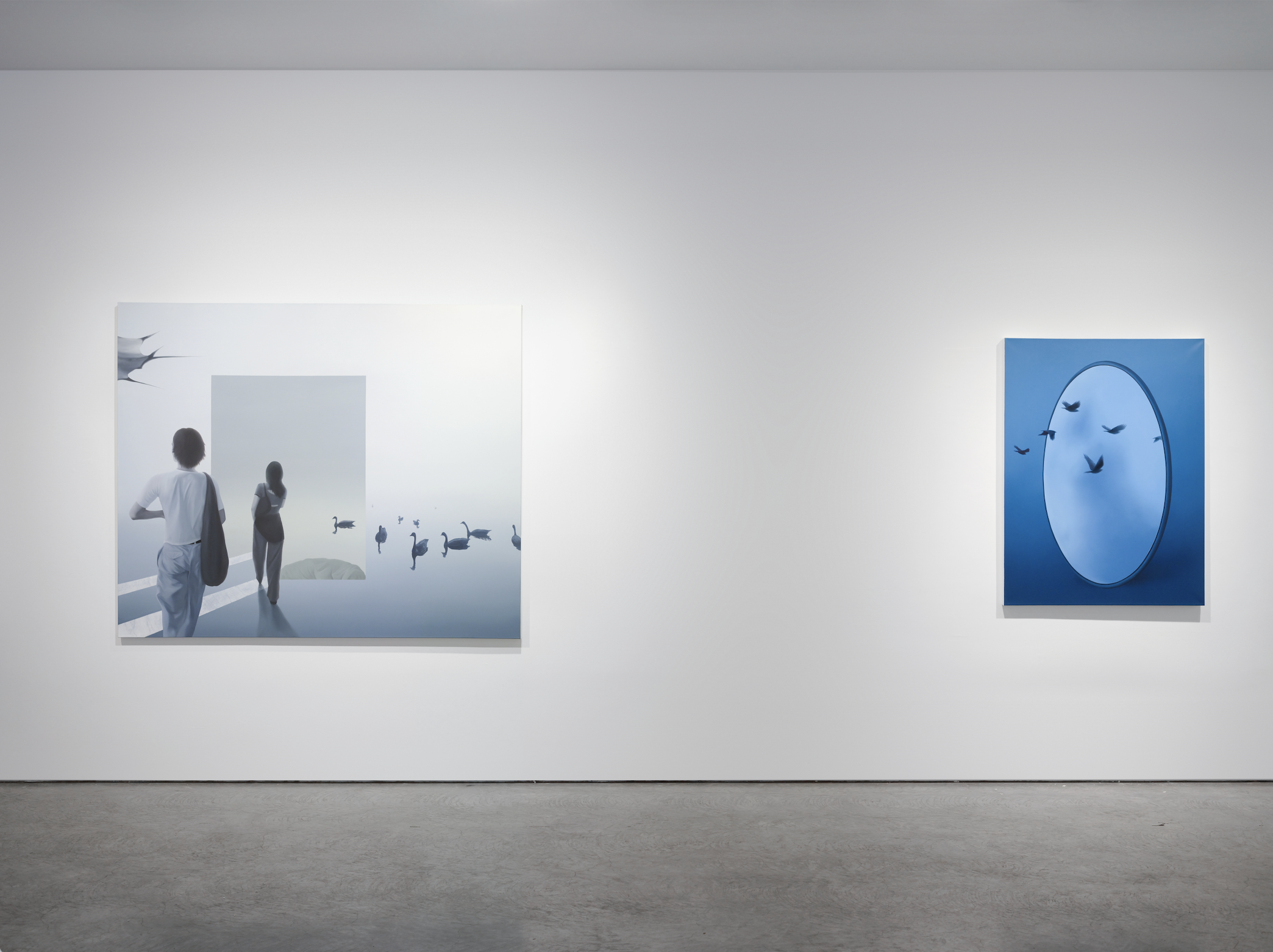
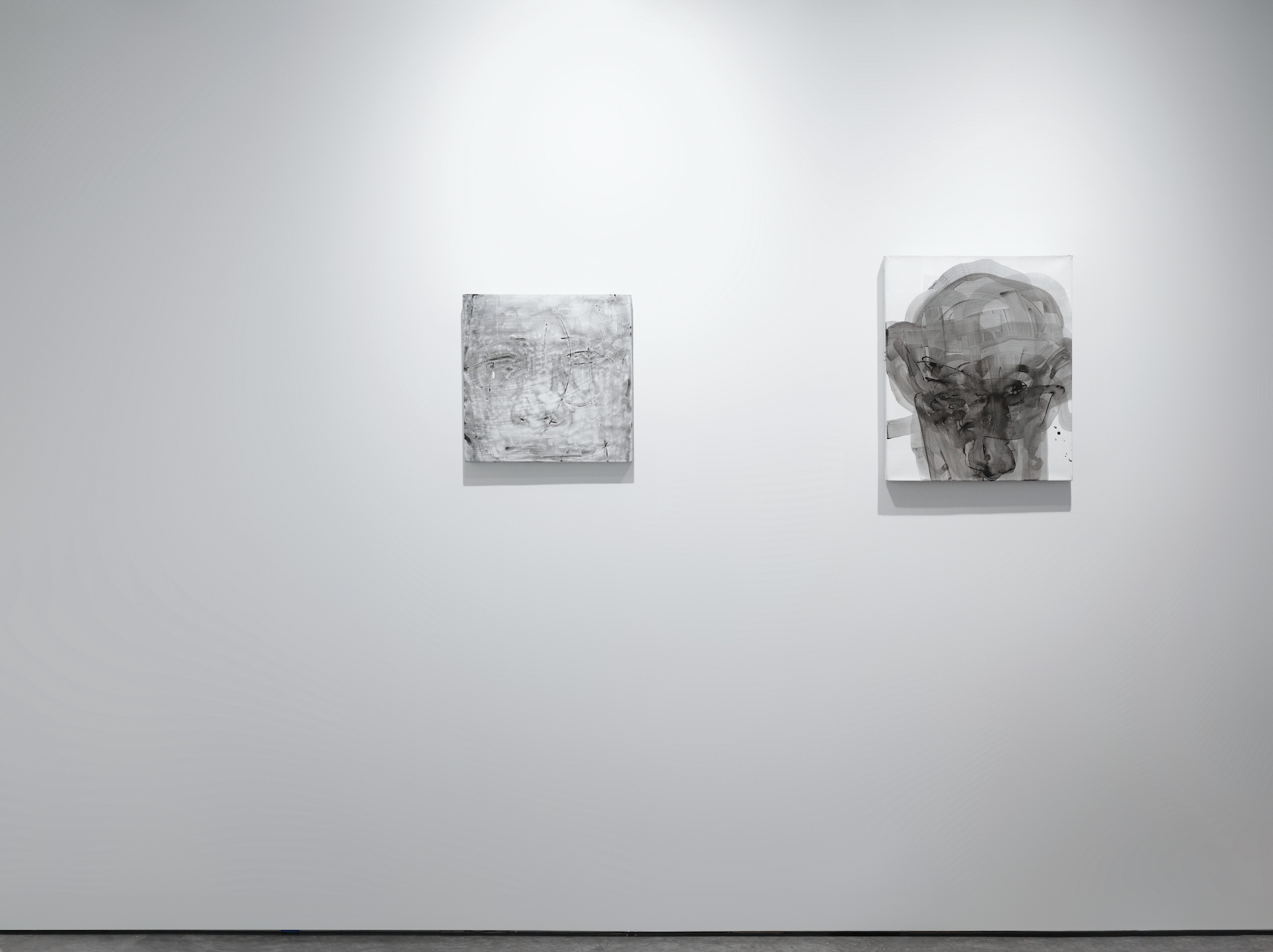
(New York, NY) CHINCHINART and A&B Lab are pleased to present Losing Ghosts, a transnational group exhibition unfolding between London and New York. As a dual-city project within CHINCHINART’s long-term overseas exhibition initiative, the exhibition brings the two cities into dialogue while examining how memory, perception, and temporality become unstable, deferred, and spectral in contemporary experience. On view from January 28 through January 31, 2026, and celebrated with an opening reception on Wednesday, January 28, from 6–8 PM, the exhibition is curated by Luman Jiang, Xinying Wang, Shuhan Zhang, and Yvonne Yitian Xu, featuring artists Hongyu Zhang, Jiwon Rhie, Sona Lee, Xuemeng Li, and Ziqi (Tree) Xu.
Rooted in the untranslatable ambiguity of the Chinese word Youling (幽灵), Losing Ghosts approaches the ghost not as a symbol of death or the supernatural, but as a lingering residue of memory, something neither fully present nor fully absent. Drifting between visibility and disappearance, the ghost becomes a figure of deferred presence, inhabiting the threshold between dream and consciousness, recall and erasure. Drawing conceptual resonance from Jacques Derrida’s Specters of Marx (1993), the exhibition understands the spectral as a condition through which suppressed, delayed, or obscured histories continue to reverberate within the present.
The New York presentation features works by Hongyu Zhang, Jiwon Rhie, Sona Lee, Xuemeng Li, and Ziqi (Tree) Xu, whose practices span moving image, sound, and installation. Together, their works construct environments where images hesitate, sounds linger, and spatial experience feels subtly out of sync. Memory here is not archival or linear, but elastic, looping, delayed, and half-awake. Each work operates as a quiet séance of perception, inviting viewers to encounter what is already in the process of fading.
Ziqi (Tree) Xu transforms cinematic fiction into lived memory by tracing the moment when a mediated ghost image quietly crosses into personal geography and embodied experience. His work emerges from the uncanny overlap between mass culture and private recollection, where fictional narratives unexpectedly anchor themselves in everyday space. Jiwon Rhie, by contrast, approaches identity as a fragile system of boundaries, conceptual, cultural, and spatial, that are continuously shaped and eroded through participation. Through the gradual disruption of these boundaries, belonging is revealed not as a stable position but as a spectral condition, perpetually reconfigured through movement and encounter.
Hongyu Zhang dissolves stable identity through drifting images that suspend figures in a state of indeterminacy, where social markers fade, and presence lingers without narrative resolution. Sona Lee constructs dreamlike visual spaces in which perception drifts between memory and imagination, allowing time, recognition, and spatial logic to remain fluid and unsettled. Xuemeng Li explores stillness as a form of temporal deferral, creating environments that invite viewers to dwell within moments where movement, duration, and presence quietly resist completion. Together, these practices articulate a shared sensitivity to suspension, delay, and perceptual instability, positioning the ghost as a mode of experience rather than a metaphor.
Losing Ghosts is not concerned with loss as an endpoint, but with the persistence of traces, the subtle ways memory continues to glow within disappearance. The exhibition foregrounds moments of suspension, where time folds, images dissolve, and perception drifts. In this floating interval, memory is neither fully remembered nor entirely forgotten, but held in a state of quiet vibration.
-
![]()
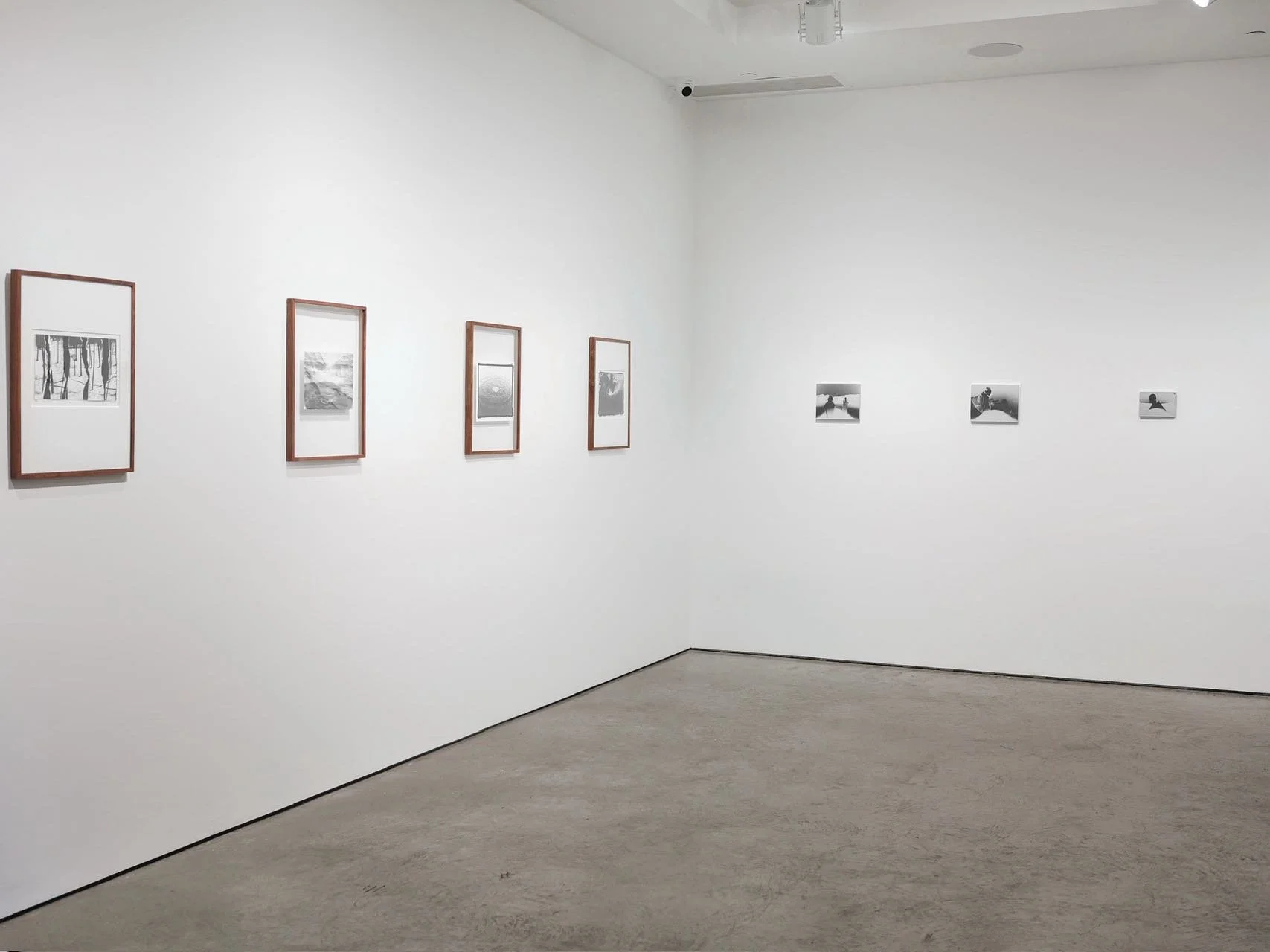
Installation view of Losing Ghosts, courtesy of CHINCHINART.
-
![]()
Installation view of Losing Ghosts, courtesy of CHINCHINART.
-
![]()
Installation view of Losing Ghosts, courtesy of CHINCHINART.
-
![]()
Installation view of Losing Ghosts, courtesy of CHINCHINART.