
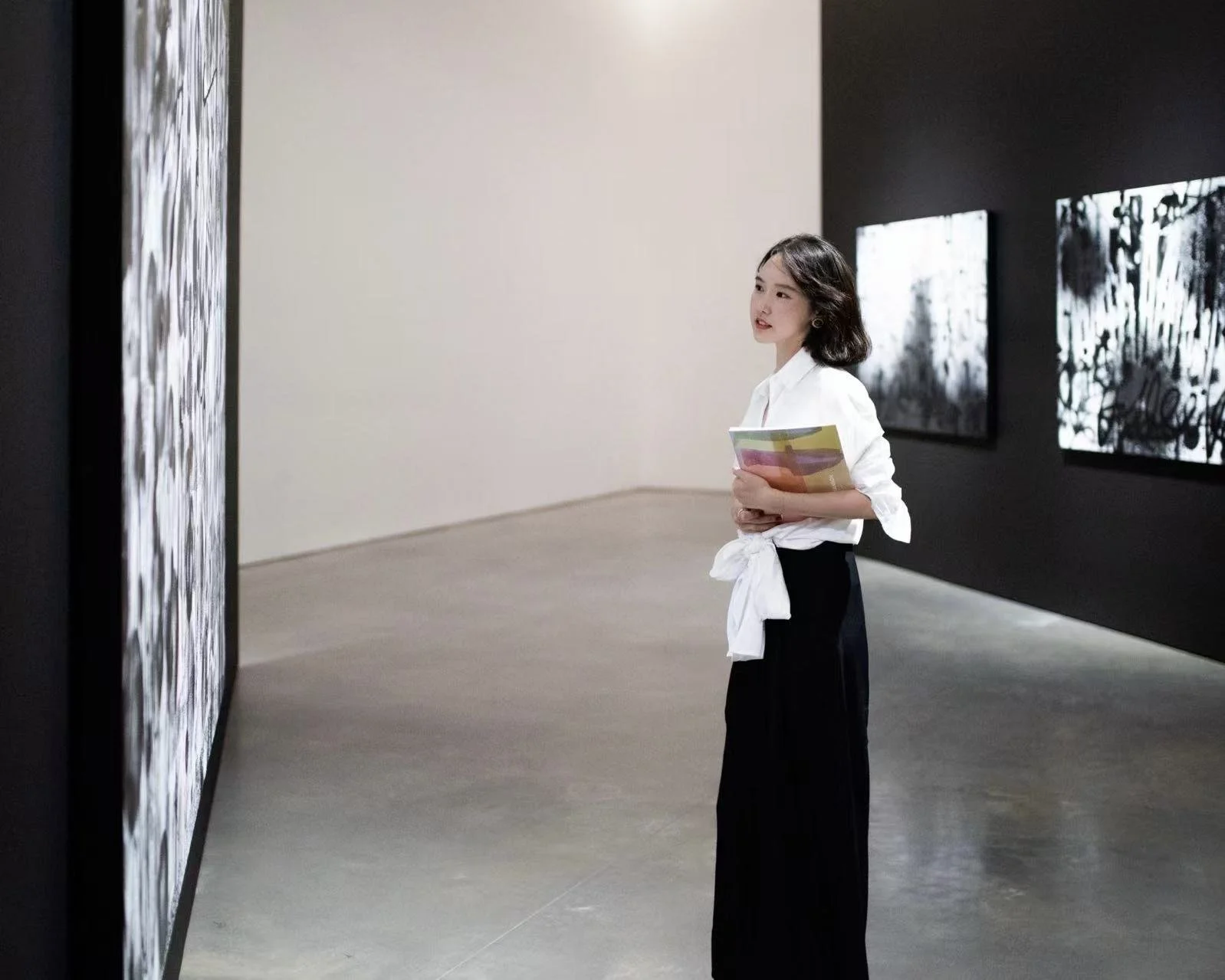
Collecting with Intention
A Conversation with
Kailin li
Editor’s Note
This interview is based on a live conversation. The text has been lightly edited for clarity, while preserving the speaker’s original tone and meaning.
On June 12, 2026, ArtEchive held a conversation with art advisor Kailin Li on collecting, generational change, and the evolving role of collectors within the contemporary art ecosystem.
Moving between personal experience and broader transformations in the art world, the conversation explores how collecting often begins long before the first acquisition, emerging through learning, curiosity, and the gradual formation of taste. Reflecting on younger generations and the rise of digital platforms, Kailin discusses how social media has reshaped the ways people discover, understand, and build relationships with art.
The interview also touches on art advisory, the balance between emotional connection and long-term value, and how collecting can extend beyond ownership to become a form of support, responsibility, and cultural contribution.
interviewee
-

Kailin Li
Founder of Artvest Art Advisory.
Kailin Li is the Founder of Artvest Art Advisory, a New York–based firm specializing in contemporary art advisory.
Artvest helps collectors build meaningful collections tailored to their personal taste, interiors, and long-term collecting goals.
Originally from China and now based in New York, Kailin holds a Master’s degree in Visual Arts Administration from New York University. She has gained experience across the art market through her work at Christie’s, contemporary galleries, and established art advisory firms.
Kailin founded Artvest in response to a growing need for more personalized and culturally attuned advisory services. Drawing on her international background, market knowledge, and aesthetic sensibility, she helps clients navigate the contemporary art landscape with clarity and confidence.
Artvest works with art enthusiasts, seasoned collectors, family offices, real estate developers, and private institutions in New York and internationally.
Collecting as a Process of Learning and Self-Discovery
ArtEchive
Many people believe that collecting begins with a purchase, but meaningful collections often start much earlier. Looking back, what first drew you to the world of collecting, and how did that journey eventually lead to the founding of ArtVest Advisory?
Kailin Li
You are right. I truly believe that collecting begins with learning — whether that means learning about art history, the art market, or, most importantly, learning about yourself. Before making the first purchase, there are often years of building knowledge, developing an understanding of contemporary art, exploring one’s own collecting goals, and thinking about the kind of collection one wants to build.
That belief is also what led me to found Artvest Advisory. I wanted to create a platform that helps collectors approach art with both curiosity and confidence — not just to buy works, but to understand why a work matters to them, how it fits into their lives, and how a collection can grow with them over time.
ArtEchive
As an art advisor, how do you help collectors move beyond considerations of price and investment returns to develop a more personal and lasting relationship with the works they acquire?
Kailin Li
Let’s all admit that social media has made art collecting, as well as knowledge about art and the art market, much more accessible. Younger collectors today have greater exposure to art from around the world, and they also have more autonomy in deciding what they resonate with.
From what i’ve observed, collecting has become more personal and meaning-driven for younger collectors. They are not only looking at artists through the lens of market recognition, but also through identity, values, culture, and personal connection. We are also entering one of the greatest wealth transfers in history over the next few decades, and I am very excited to see what this new generation will bring to the art market.
ArtEchive
In your opinion, what defines a truly successful collection?
Kailin Li
A successful collection reflects who you are. It should also reflect your growth through different phases of life. Over time, a collection becomes more than a group of objects — it becomes a personal story, a record of your curiosity, your values, and the way you see the world.
A New Generation of Collectors in the Digital Age
ArtEchive
We are seeing a growing number of younger collectors around the world. In your view, how do they differ from previous generations in terms of their collecting philosophies and the ways they build relationships with art?
Kailin Li
Let’s all admit that social media has made art collecting, as well as knowledge about art and the art market, much more accessible. Younger collectors today have greater exposure to art from around the world, and they also have more autonomy in deciding what they resonate with.
From what i’ve observed, collecting has become more personal and meaning-driven for younger collectors. They are not only looking at artists through the lens of market recognition, but also through identity, values, culture, and personal connection. We are also entering one of the greatest wealth transfers in history over the next few decades, and I am very excited to see what this new generation will bring to the art market.
ArtEchive
Today, many people encounter art for the first time through social media rather than galleries. How have digital platforms changed the way people discover, evaluate, and ultimately collect art?
Kailin Li
Digital platforms have made art much more accessible. People can now discover artists, exhibitions, galleries, and art fairs from anywhere in the world. At the same time, this also makes knowledge and judgment even more important when it comes to collecting.
The internet does not really filter anything for the viewer. There is so much information, but not all information carries the same depth or credibility. This kinda goes back to our first question: knowing what truly matters to you has become even more essential. Digital platforms can be a great starting point, but meaningful collecting still requires research, context, and a strong sense of personal direction.
Beyond Ownership: Collecting as Cultural Contribution
ArtEchive
The art world often focuses on markets, trends, and visibility. What do you think is the most overlooked aspect of collecting today?
Kailin Li
I think the impact a collector can have on artists, the art market, and society is sometimes overlooked.
Whether it is a young collector supporting a show by a newly graduated artist, a seasoned collector donating a work to a museum, introducing an artist to an important curator/collector friend/gallerist, or helping an artist gain institutional visibility — every action can matter. On a larger scale, some major entrepreneurs and collectors build museums or foundations that present high-quality exhibitions and benefit the general public.
The art ecosystem relies on everyone’s participation and impact. That, to me, is what makes collecting truly meaningful and special. It is not only about ownership; it is also about support, responsibility, and cultural contribution.
(End)